In recent weeks, the landscape of immigration enforcement in the United States has undergone significant changes, particularly during the Trump administration. As a result, many migrants find themselves in precarious situations when interacting with U.S. Immigration and Customs Enforcement (ICE) officers. It is crucial for individuals to understand their rights to protect themselves and their families. This article outlines essential rights that every migrant should be aware of when encountering ICE.
1. Right to Remain Silent
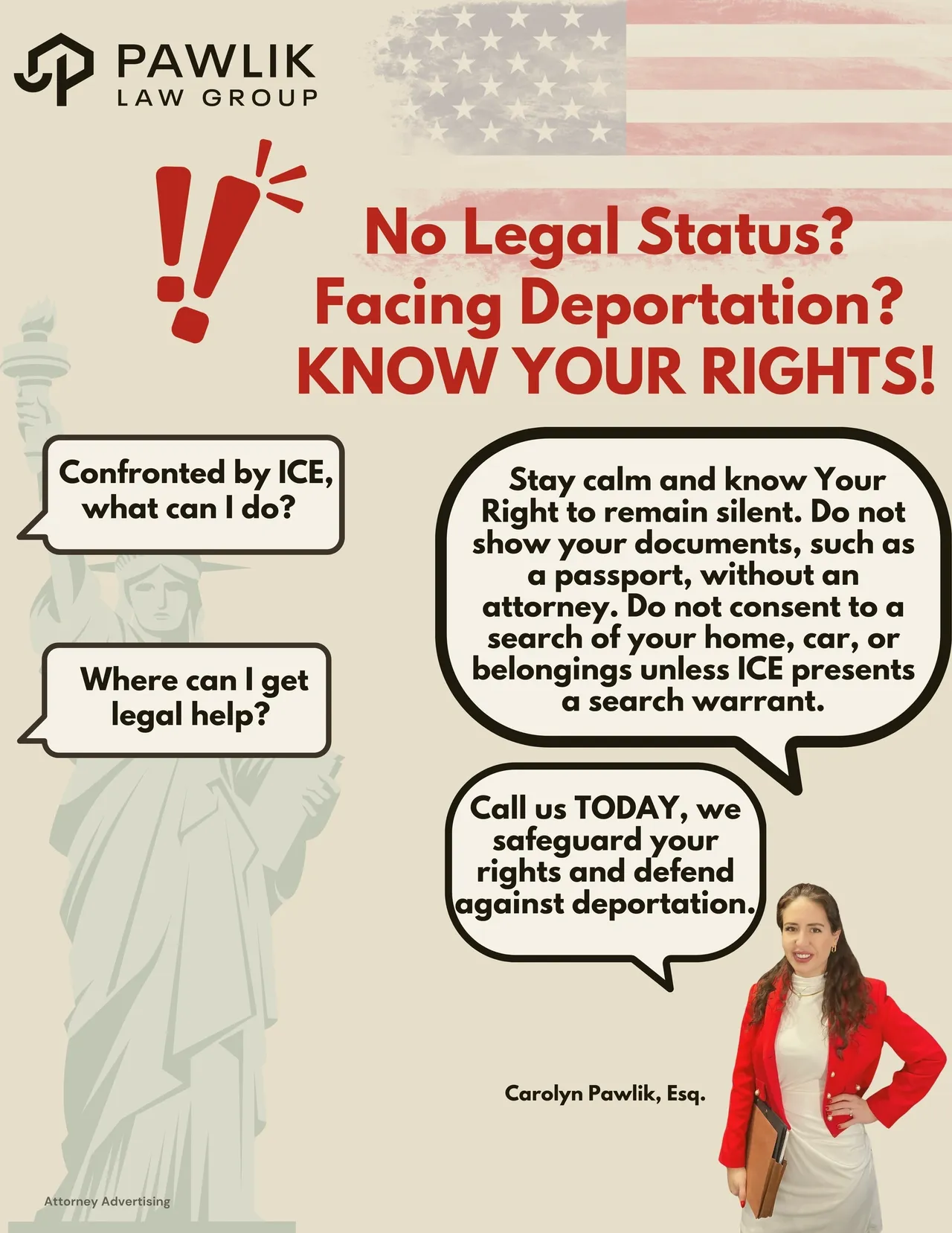
One of the most fundamental rights in the United States is the right to remain silent. If you are approached by ICE officers, you have the right to refuse to answer questions without an attorney present. This right is protected under the Fifth Amendment, which safeguards against self-incrimination. When confronted by ICE, you can simply state, “I wish to remain silent and would like to speak to an attorney.”
2. Right to Refuse Consent for Entry and Searches
You have the right to refuse consent for ICE officers to enter your home or conduct a search of your belongings or vehicle without a valid search warrant. The Fourth Amendment protects individuals from unreasonable searches and seizures, meaning that officers generally need a warrant to enter your home or search your personal property. If ICE officers come to your door, you can politely ask if they have a warrant. If they do not, you can refuse entry.
3. Right to Demand to See a Search Warrant
If ICE officers claim to have a warrant, you have the right to see it before allowing them into your home. A valid warrant should be signed by a judge and specifically detail the premises to be searched and the items sought. If the officers cannot provide a valid warrant, you do not have to let them in. Remember to request that they slide the warrant under the door or show it through a window to avoid opening the door.
4. Right to Legal Representation
If you are detained or arrested by ICE, you have the right to legal representation. It is crucial to contact an immigration attorney who can provide guidance tailored to your specific situation. An attorney can help you understand the complexities of immigration law and advocate for your rights during any proceedings.
5. Know Your Rights in Public Spaces
If you encounter ICE officers in public—such as at a workplace, bus station, or other public areas—you have the same rights as you would at home. You can refuse to answer questions and ask if you are free to leave. If you are not free to leave, you have the right to request legal representation.
You have the right to refuse to show ICE your foreign passport and/or immigration paperwork — even if they request to see it.
6. The Importance of Documentation
In any interaction with ICE, it is vital to document the encounter. If possible, record details such as the date, time, location, and the names and badge numbers of the officers involved. If you feel safe doing so, take photos or videos of the interaction. This documentation may be essential should you need to challenge the actions of ICE later.
7. Know the Community Resources Available to You
Various organizations and community groups offer support and resources to migrants facing ICE enforcement actions. Familiarize yourself with local immigrant rights organizations that can provide assistance, legal aid, and information on your rights. Having this information readily available can be crucial in times of crisis.
Conclusion
Understanding your rights in interactions with ICE is vital for all migrants in the United States. The right to remain silent, the right to refuse consent to searches without a warrant, and the right to legal representation are fundamental protections that should not be overlooked. As immigration enforcement continues to evolve, staying informed and prepared is essential. If you or someone you know is facing issues with ICE, do not hesitate to reach out to an immigration attorney who can offer tailored advice and support.
Stay informed, stay empowered, and remember that your rights matter.
By: Carolyn Pawlik, Esq. removal defense attorney ice deportation